How to Spot a Romance Scam

They message every morning and every night. They remember the name of your dog and ask how your appointment went. After a few weeks it feels like the most attentive relationship you have had in years, and then something goes wrong for them: a hospital bill, a customs fee, a frozen bank account, or an investment opportunity too good to keep to themselves.
Romance fraud is common, and it is not a sign of foolishness. Report Fraud received 10,784 reports of romance fraud in 2025, with £102 million lost, an average of about £9,500 per victim. In the US, the FBI’s Internet Crime Complaint Center received reports of $929 million lost to confidence and romance fraud in the same year. Report Fraud’s own advice puts it plainly: romance fraud is never the fault of the victim.
Here is how these scams unfold, the checks you can make quietly, what to do if money has gone, and what to say if you are worried about a parent or friend.
The short version
- A request for money, gift cards or cryptocurrency from someone you have never met in person is the clearest sign, however real the relationship feels.
- Watch the pattern: very fast declarations of love, a move to a private messaging app, and a steady supply of reasons they cannot meet or turn their camera on.
- “Investment” tips from an online partner or new friend are now one of the costliest versions of this scam.
- If you have sent money, stop, call your bank, report it, and ignore anyone who offers to recover it for a fee.
- If you are worried about someone else, ask questions and stay close. Arguing tends to push them towards the scammer.
Where these relationships start
Dating apps are the obvious place, but far from the only one. The FTC says that nearly 60% of people who reported losing money to a romance scam in 2025 said it started on social media. Others begin in online games, in a comment thread, or with a text that looks like a mistake.
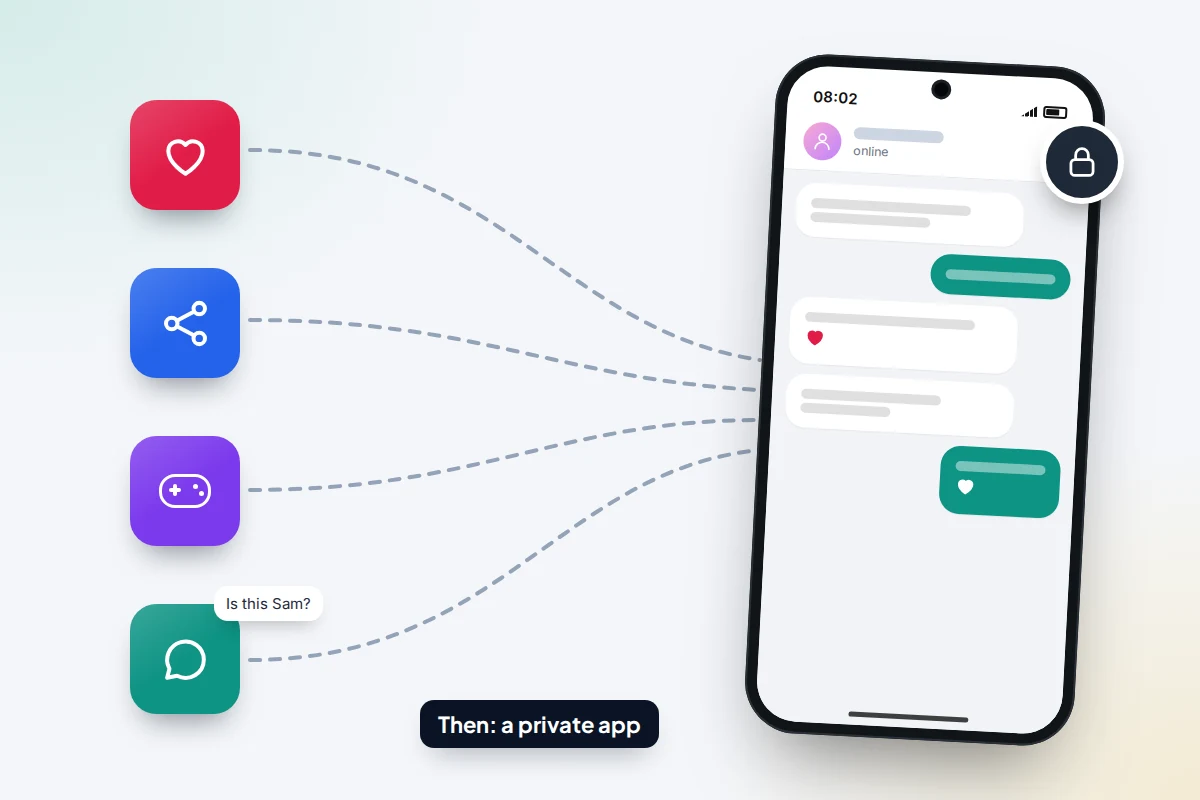
The “wrong number” text is worth knowing about. A message such as “Is this Sam?” arrives from a stranger; you reply politely to say they have the wrong person, a friendly chat follows, and weeks later the new friend turns out to be a successful investor keen to share their secrets. US regulators list vague or misdirected messages from unknown senders as a common first step in these scams.
The pattern: from first message to first request
Most romance scams move through the same stages, each making the next feel reasonable.
- Intense attention, fast. Declarations of love or talk of a future together within days or weeks, and messages at all hours.
- A move off the platform. A request to continue on a private messaging app. Once you leave the dating site or social network, its moderators and scam filters can no longer see the conversation.
- A reason they cannot meet. The FTC lists the usual ones: working abroad, on an oil rig, in the military, or for an international organisation. Planned visits fall through at the last minute.
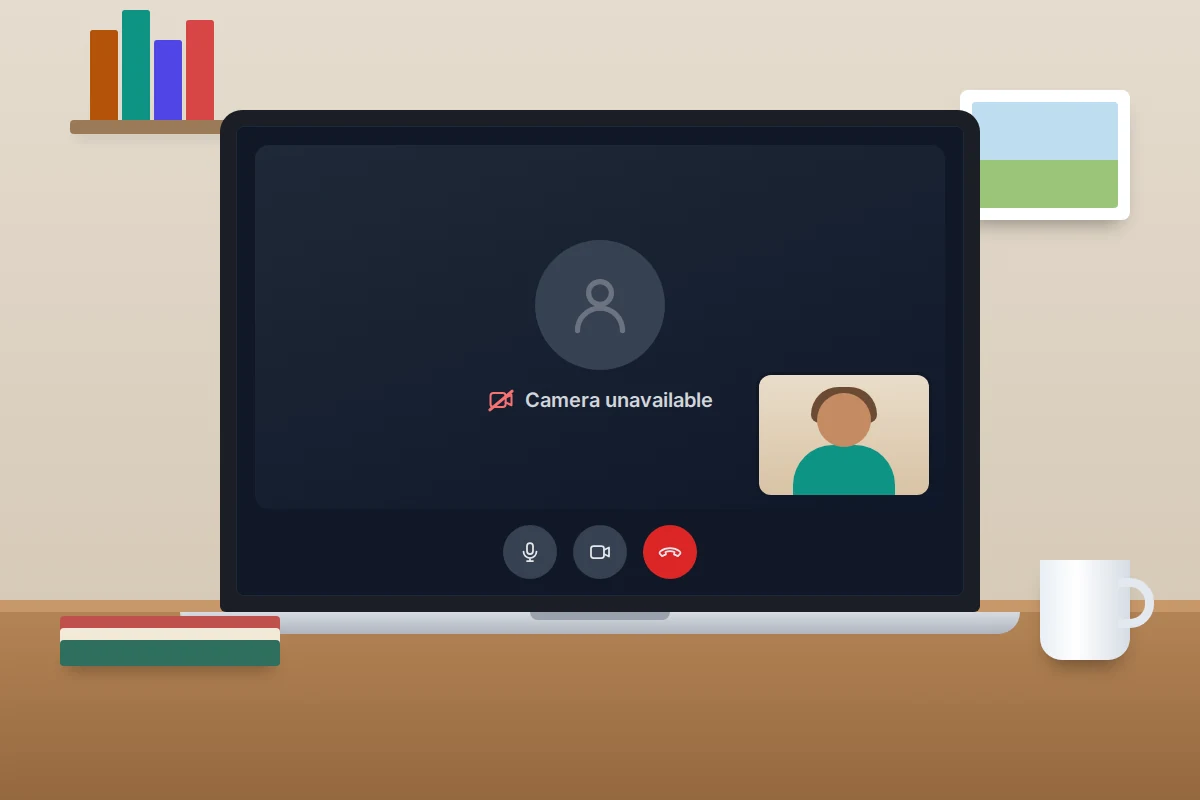
- No live video, or very little. The camera is broken, the connection is poor, or security rules forbid it.
- Quiet isolation. Suggestions that friends or family “won’t understand” or might be jealous. Report Fraud highlights being discouraged from telling people about the relationship as a key warning sign.
- The ask. An emergency, a ticket to visit you, a visa, a customs fee on a gift they sent, or an investment. It often starts small and grows.
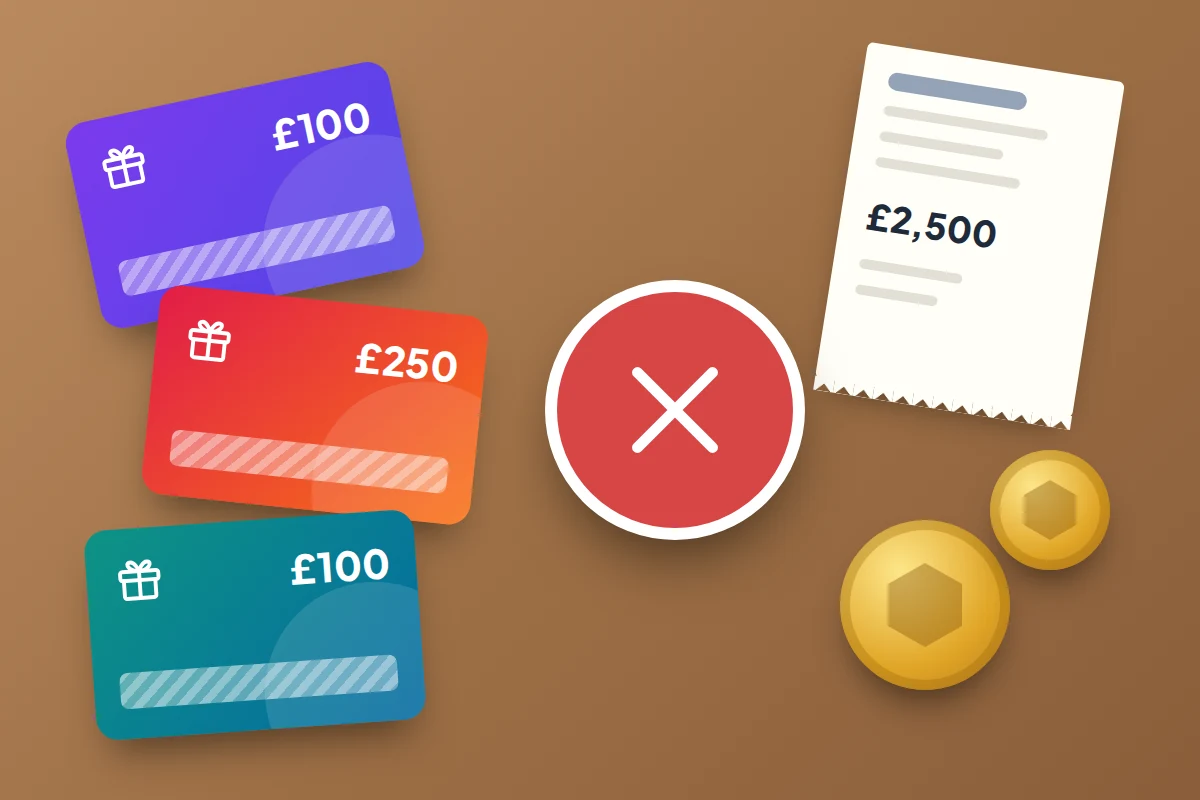
The FTC says scammers ask for payment by wire transfer, gift cards, payment apps or cryptocurrency, all hard to trace or reverse.

When romance turns into “investment”
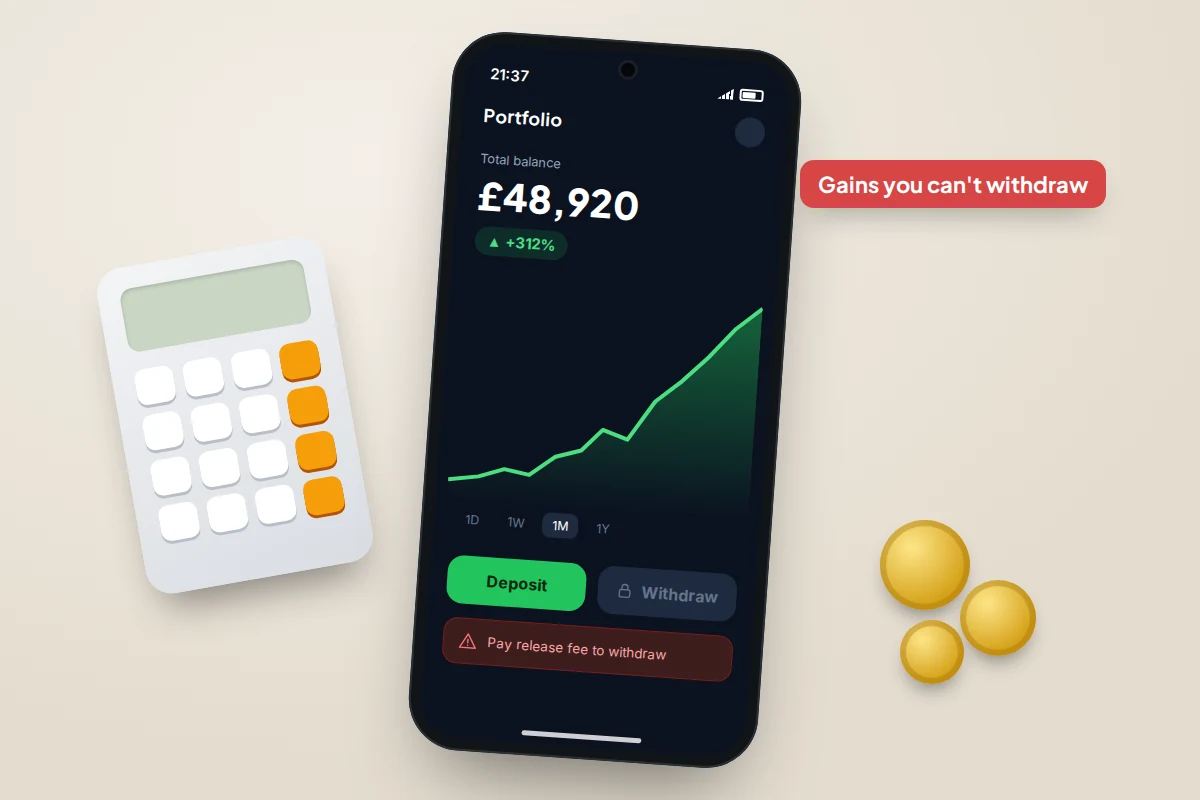
One especially costly version never asks for help at all. Instead, your online partner or friend mentions how well they do trading cryptocurrency and offers to show you. The FBI describes criminals who build a friendship or relationship first, then coach victims to invest more and more in what looks like an extremely profitable platform, only for them to find they cannot withdraw their money.
The platform is fake, and the rising balance is just numbers on a website the criminals control. The US Commodity Futures Trading Commission warns that scammers often allow a small withdrawal early on, purely to build your confidence. When you try to take out more, a new obstacle appears: a “tax”, a “release fee” or a minimum balance to reach first. Each payment is money gone.
The FBI notes that the media often calls this “pig butchering”. In December 2024 Interpol urged people to call it “romance baiting” instead, because the older term shames victims and discourages them from reporting.
What they say, and what it usually means
Any one of these lines could come from a genuine person. It is the combination, and any line that ends in money, that should make you stop.
| What they say | What it usually means |
|---|---|
| “I’ve never felt like this about anyone.” (Week one) | Speed is the technique. Strong feelings early on make later requests harder to refuse. |
| “I’m an engineer on an oil rig” or “I’m deployed overseas.” | A ready-made reason they cannot meet, call at normal times or receive money normally. |
| “My camera’s broken again.” | Often, they cannot show the face in the photos because it is not theirs. |
| “Don’t tell your family yet, they won’t understand us.” | Isolation. Friends and family are the people most likely to spot the scam. |
| “I sent you a gift, but customs need a fee to release it.” | There is no parcel. The “courier” is part of the same scam. |
| “I’m stuck and my cards are frozen. I’ll pay you back next week.” | An emergency to create urgency. The repayment never arrives; the next emergency does. |
| “Buy gift cards and send me photos of the codes.” | Gift card codes can be spent within minutes and are almost impossible to trace or refund. |
| “My uncle taught me to trade crypto. Let me show you.” | The start of an investment scam on a fake platform. |
| “You’re in profit, but you need to pay tax before you can withdraw.” | A demand for new money before you can withdraw is the classic sign of a fake platform. |
Photos, video calls and deepfakes
Profile photos are often stolen from real people’s social media accounts, which is why the pictures look natural and there are plenty of them. Increasingly they may not show a real person at all. In December 2024 the FBI warned that criminals use generative AI to create realistic images for fake profiles in romance and investment fraud, and to make videos, including for live video chats, that “prove” the contact is real.
The FBI suggests looking for tell-tale flaws: distorted hands, unrealistic teeth or eyes, and indistinct or irregular faces. These flaws are becoming rarer as the tools improve, so a clean photo proves little. Our guide to deepfakes and manipulated media covers what still gives them away.
A live video call at a time you choose is still a useful check, because faking a face convincingly in real time, over a long conversation, is harder than faking a photo. It is no longer proof on its own, though, and someone who only ever manages a few seconds of blurry video has not passed it.
Checks you can do without accusing anyone
You do not need to decide straight away whether someone is real. These checks are quick and fair to a genuine partner.
Search their photos
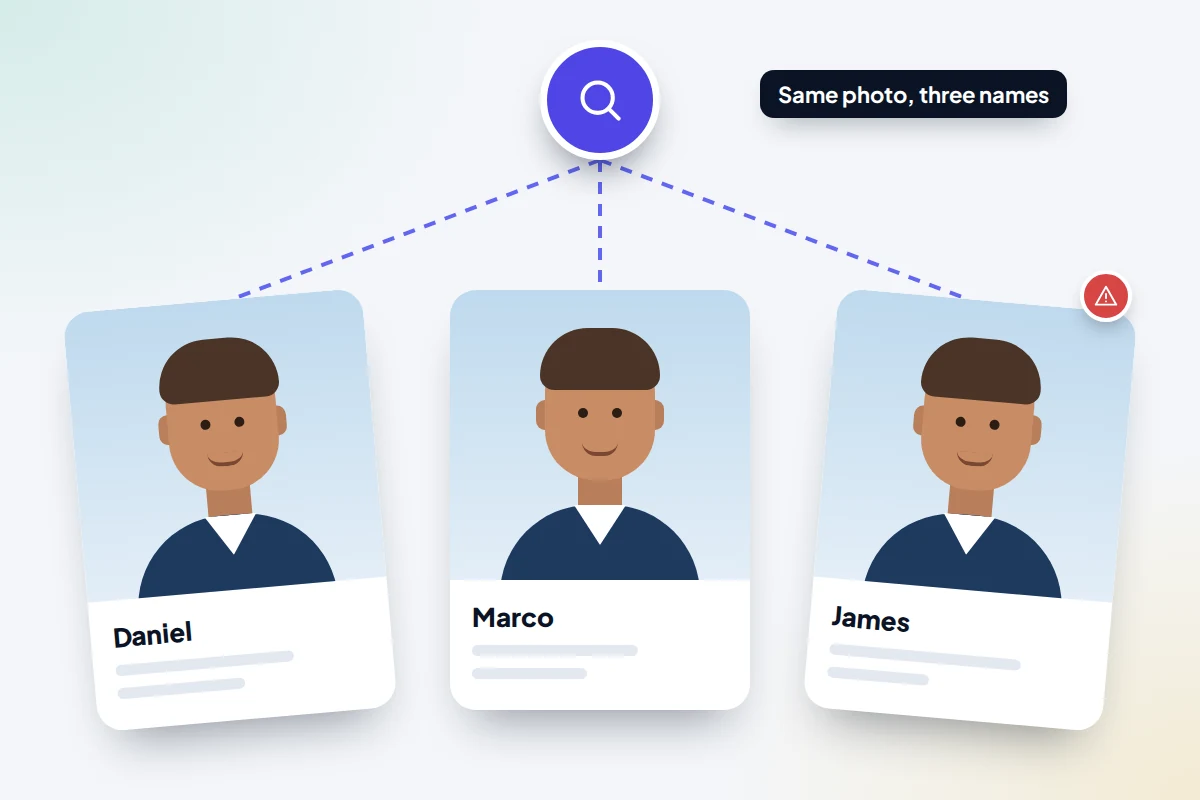
Save or screenshot a profile photo, then use a reverse image search, which most major search engines offer: you upload the picture instead of typing words. If the same face appears under different names, on a model’s portfolio or on someone else’s social media, the profile is fake. No matches does not prove the person is real, because AI-generated faces are unique.
Search their story
Type the key details into a search engine with the word “scam”: “oil rig engineer romance scam”, or the name of the trading platform they recommend. Stories get reused, and others may already have posted about the same one.
Ask for a live video call at a time you choose
Suggest a specific time, not “whenever you can”. A genuine person who cares about you will make it happen, and will not mind if a friend says hello too.
Tell one person everything
Describe the relationship, including any money, to a friend or relative you trust. If you notice you would rather not mention the money part, that reluctance is worth paying attention to.
Above all, follow the FTC’s simple rule: never send money or gifts to a sweetheart you have not met in person.
If you have already sent money
Many people realise only after several payments, often when asked for “one last fee”. Acting now still helps.
- Stop paying, including any fee to “unlock” an investment or release a gift. You do not owe the scammer an explanation.
- Call your bank on the number on the back of your card, or 159 in the UK, and tell them everything. Ask them to try to stop or recall recent payments. In the UK, most people tricked into a bank transfer to someone else’s account can claim reimbursement if they report it within 13 months; our guide to scam calls pretending to be your bank explains the rules. International transfers and payments to an account in your own name, such as a cryptocurrency account, are generally not covered, so tell the bank exactly how the money moved.
- Keep the evidence before you block anyone: screenshots of the profile and messages, usernames, payment receipts, and any wallet addresses or platform names.
- Report it. In England, Wales and Northern Ireland, contact Report Fraud at reportfraud.police.uk or 0300 123 2040. In Scotland, call Police Scotland on 101. In the US, report to the FBI at ic3.gov and to the FTC at ReportFraud.ftc.gov. Report the profile to the app or site where you met.
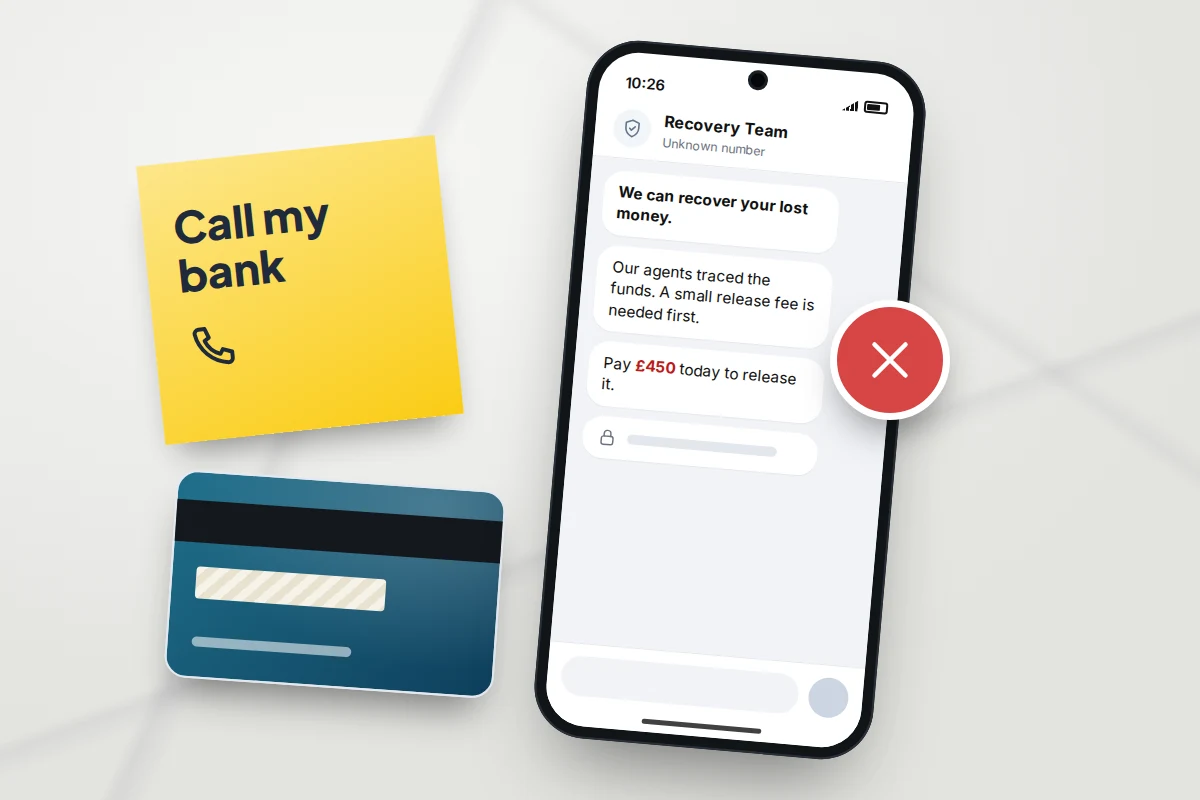
- Beware of recovery offers. The FTC warns that anyone who contacts you offering to recover money you lost in a scam, for a fee, is a scammer, including people claiming to be from government agencies. Recovery scammers often target people who have just been defrauded.
The loss can feel like a bereavement as well as a financial blow, and free, confidential support is available. In England and Wales, Victim Support’s Supportline, 08 08 16 89 111, is open 24 hours a day. In Scotland, call Victim Support Scotland on 0800 160 1985; in Northern Ireland, contact Victim Support NI. In the US, the AARP Fraud Watch Network Helpline on 877-908-3360 is open to anyone, not only members.
How to talk to a parent or friend you think is being scammed
This is often the hardest part. The person you are worried about may be happier than they have been in years, may already have sent a lot of money, and has probably been told that family will try to split them up. Evidence alone rarely convinces anyone in that position; warmth and patience work better.
Words that open the conversation
- To start: “You seem really happy lately. Tell me about them. How did you meet?”
- To raise the worry: “Can I tell you something that’s been on my mind? I’m not saying they aren’t real. I’d just like us to check a couple of things together.”
- To suggest a check: “Would you be up for a video call with them while I’m here? If they’re genuine, they’ll be glad to meet your family.”
- To ask about money: “Have they ever asked you for money, gift cards or help with an investment? Whatever the answer, I won’t be cross.”
- If they say you don’t understand: “You could be right. Would you talk it through with someone neutral, like your bank’s fraud team, and see what they think?”
- If they are not ready: “All right. Can we agree you won’t send any more money until we’ve looked into it together?”
What usually backfires
- Opening with “It’s obviously a scam” or “How could you fall for this?”
- Ultimatums, or cutting off contact. Isolation is exactly what the scammer wants.
- Contacting the scammer yourself, or going through their phone without asking.
Expect more than one conversation. Keep visiting and asking gentle questions, and if they come round, help them through the steps above. Remind them that these operations are professional, and that their feelings were real even if the other person was not.

Frequently asked questions
They sent me a gift first. Doesn’t that prove they are genuine?
No. A small gift or payment builds trust before a bigger request. If someone you have not met sends you money and asks you to pass it on, refuse, because you could be used to move stolen money.
We have video called and it really was them. Am I safe?
A long, relaxed live video call is a good sign, but AI tools mean it is no longer proof. The rule does not change: never send money to someone you have not met in person, and treat any investment tip with the same suspicion you would from a stranger.
Will I get my money back?
It depends on how you paid. UK bank transfers to another person’s account are often reimbursable, and card payments can sometimes be disputed. Gift cards and cryptocurrency are much harder to recover. Reporting quickly gives you the best chance.
Is it mostly older women who are targeted?
No. Anyone can be targeted. In Report Fraud’s 2025 figures, men made more of the reports, women accounted for just over 40% of the money lost, and people aged 55 to 74 lost nearly half of the total.
Sources and further reading
- Report Fraud: romance fraud advice and reporting
- Report Fraud: romance fraud costs UK victims £102 million (May 2026)
- FTC Consumer Advice: what to know about romance scams
- FBI Internet Crime Complaint Center: 2025 Internet Crime Report (PDF)
- FTC Data Spotlight: reported losses to scams on social media (April 2026)
- FBI: criminals use generative AI to facilitate financial fraud
- FTC Consumer Advice: refund and recovery scams
- Victim Support: help after fraud (England and Wales)
Looking for a tool to go with this? TheTruthSpy is a free parental control app for Android that stays visible on the child's phone. If it fits your family, see what the app does.
Related guides
How to Spot a QR Code Scam
Fake QR stickers on parking meters and EV chargers, codes in emails and parcels: how to check a code before…
How to Remove Your Personal Information From Google Search
What Google will and won't remove, how Results about you works, people-search opt-outs, the right to be forgotten, Street View…
How to Protect Yourself From SIM Swap Fraud
How SIM swap fraud works, the signs your number has been moved, what to do in the first 30 minutes,…
Parental controls your child can see
Location, screen time limits, a web filter and alerts from notifications — free, and visible on your child's phone. Pair a phone in about ten minutes.
Android · Free to set up · Visible on your child's phone